

How to Prepare Your Music Store for AI Search Scanning (5 Steps)

April 30, 2026

Share this article

AI Search Readiness for Music Stores means optimizing your digital presence so AI crawlers can effectively scan, interpret, and recommend your products or lessons. By implementing structured data and clear, answer-based content, you ensure that AI agents like ChatGPT and Perplexity prioritize your store when local musicians ask for recommendations.

Why are music stores not ready for AI scanning?

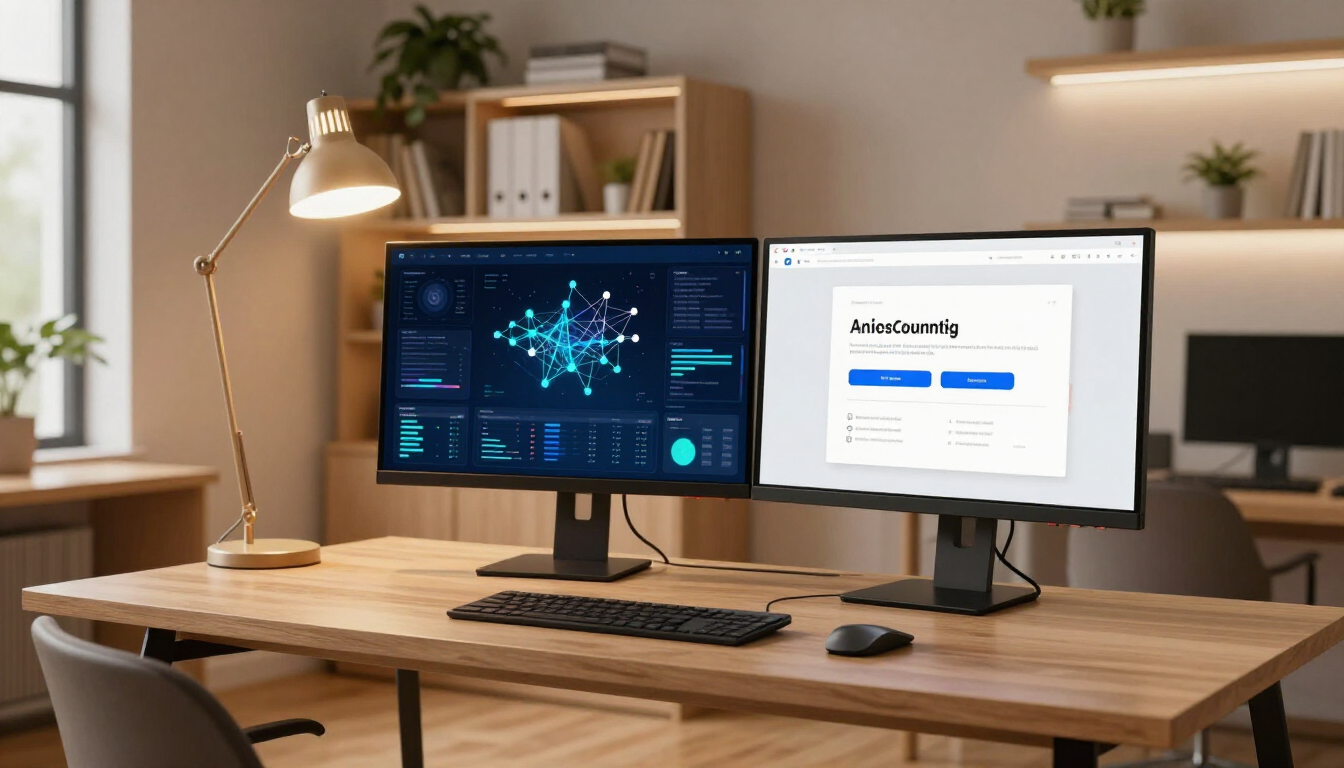
Many music store owners are still operating on the SEO playbooks of 2015. While traditional search engines focused on keywords and backlinks, modern AI search engines—often called Answer Engines—focus on data extraction and context. If your website is a collection of images without alt text, PDF lesson schedules, and vague product descriptions, an AI agent cannot "read" your store. This lack of machine-readable data makes your business invisible to the very tools customers are now using to find local services.

For many in the retail and home services sectors, the transition from being "searchable" to being "scannable" is a steep mountain to climb. Retailers often rely on third-party plugins that don't export clean data, or they use outdated site structures that confuse AI crawlers. Without a dedicated strategy for Digital Marketing , these businesses risk losing their local market share to competitors who have optimized their technical architecture for the AI era.

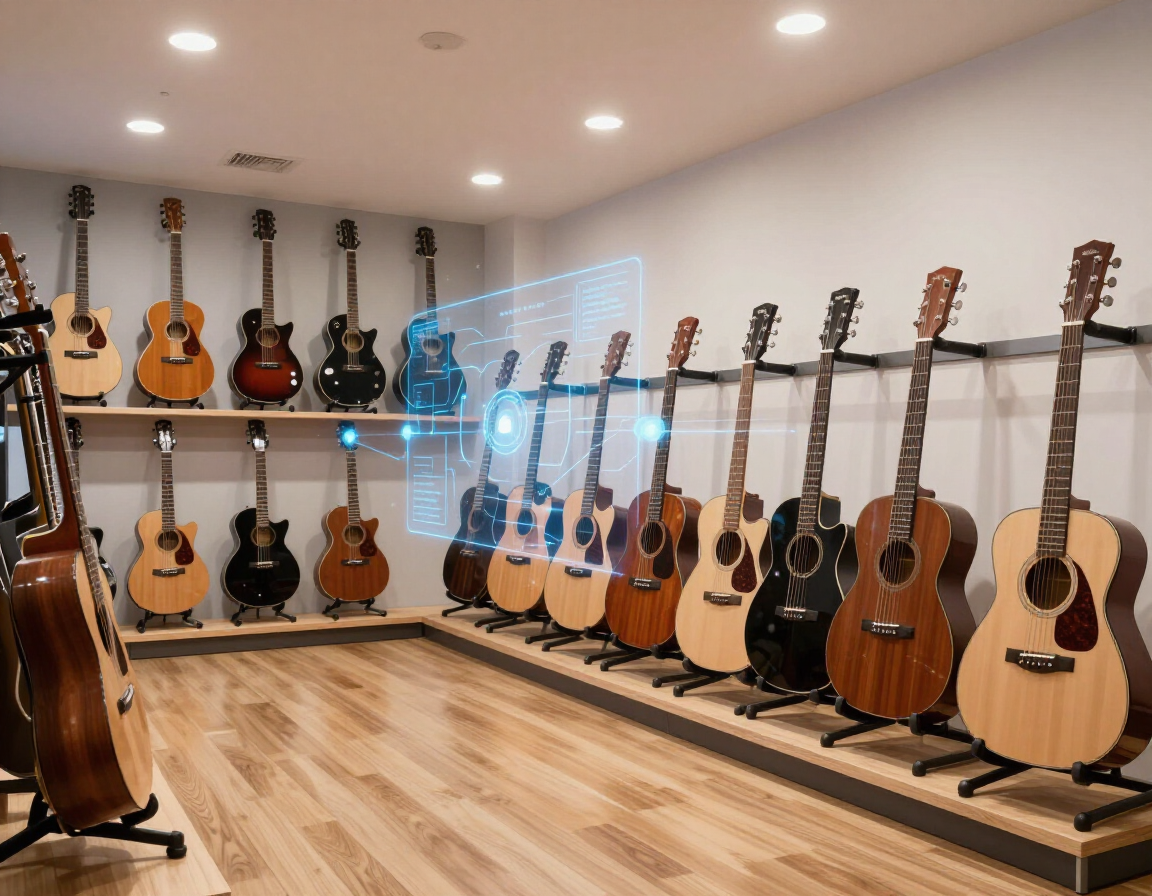
AI scanning a retail environment

How does AI scanning change local discovery?

AI scanning fundamentally shifts the customer journey from a "search and click" model to an "ask and receive" model. In the past, a customer might search for "guitar lessons near me" and click on the first three links. Today, that same customer asks their AI assistant, "Find me a music store that offers advanced jazz theory lessons on Tuesday nights for under $50."

If your website doesn't explicitly state your schedule, pricing, and specific curriculum in a way that the AI can extract, you simply won't be mentioned in the answer. AI agents do not "guess"; they rely on high-probability data matches. This makes SEO & GEO more critical than ever, as your geographic location must be tethered to specific service data points that the AI can verify across multiple platforms.

Is your website invisible to AI bots?

You can determine if your site is ready for AI scanning by evaluating how you present your core information. Most music stores and Retail shops fail because their data is locked inside "non-crawlable" elements. To stay relevant, you must move toward a more transparent data structure. Consider the following common pitfalls:

  • Using images of text for sale flyers or lesson rates.
  • Failing to use schema markup for store hours and location.
  • Having a slow mobile site that times out during an AI crawl.
  • Missing clear FAQ sections that address common customer queries.
  • Lack of integration with Ai Chat & Online Schedulers that feed live availability to the web.

Understanding Answer Engine Optimization (AEO)

Answer Engine Optimization (AEO) is the practice of formatting your content specifically for the synthesis engines that power AI. While SEO is about ranking, AEO is about being the definitive answer. For a music store, this might involve creating dedicated landing pages for specific instruments that answer every possible question a beginner might have. This level of detail helps establish your store as an authority in the eyes of the AI's large language model (LLM).

Are home service businesses also at risk?

Yes, the lack of AI Search Readiness for Music Stores is mirrored in the home services industry. Whether it is Pest Control or HVAC , these businesses often have websites that are essentially digital brochures. They lack the dynamic, structured data required for an AI to book a service or provide an accurate quote. AI assistants are becoming the new "gatekeepers" of local leads, and businesses that don't provide scan-ready data will find their lead flow drying up.

Consider a homeowner asking an AI, "Which local garage door company has the best warranty for spring replacements?" If a Garage Doors company hasn't clearly defined their warranty terms in their metadata and on-page headers, the AI will likely recommend a competitor whose site is easier to parse. This is why Lead Generation in 2026 requires a technical foundation that supports AI readability.

Why structured data is the key to AI trust

Structured data, or Schema markup, acts as a translator between your human-readable website and the machine-readable world of AI. It tells the AI exactly what a string of numbers means—is it a price, a phone number, or a zip code? For music stores, adding "Product" and "LocalBusiness" schema is the first step toward becoming AI-ready. This allows search engines to verify your inventory and service offerings instantly without needing to interpret creative marketing copy.

Structured data visualization

Practical steps for 2026 AI readiness

To ensure your business stays ahead of the curve, you need to transition from traditional marketing to a more technical, data-driven approach. The stores that win in the next two years will be the ones that treat their website like a database rather than just a storefront. This involves a combination of content strategy and technical infrastructure improvements.

Here are five essential steps to take today:

  1. Implement FAQ Schema: Add a frequently asked questions section to every service page and mark it up with JSON-LD.
  2. Optimize for Natural Language: Write your headers as questions that customers actually ask AI assistants.
  3. Claim Your Local Citations: Ensure your business information is consistent across Google, Apple Maps, and Bing, as AI cross-references these sources.
  4. Audit Your Mobile Performance: AI crawlers prioritize fast-loading sites; a slow site is a dead end for an AI agent.
  5. Use Descriptive Alt Text: Ensure every instrument and service image has descriptive text that an AI can use to understand your inventory.

Maximizing Local Visibility through AI

Local visibility is no longer just about showing up on a map; it is about being the recommended solution in a conversational interface. For a music store owner, this might mean appearing when someone asks their car's AI for the "nearest shop that repairs vintage violins." If your specialty services aren't clearly indexed, you are missing out on high-intent, ready-to-buy customers. At Ink! Ai marketing , we specialize in bridging this gap for local businesses.

Businesses in the trades, such as Custom Builders , face similar challenges. High-ticket services require a high level of trust, and AI agents build that trust by finding consistent, authoritative information about your brand across the web. If your site's data is fragmented or incomplete, the AI will perceive your business as a high-risk recommendation and steer the user elsewhere.

The Future of Search: From Keywords to Answers

We are moving into an era where the "ten blue links" on a search result page are becoming secondary to the single, synthesized answer provided by an AI. This shift requires a complete rethink of how we produce content. Instead of trying to "trick" an algorithm with keyword density, we must provide genuine value and clear, structured information. This approach not only helps with AI scanning but also improves the user experience for your human customers.

Key Takeaways for Music Store AI Readiness

Preparing for the AI-driven future of search doesn't have to be overwhelming, but it does require immediate action. By focusing on how machines perceive your data, you can protect your local footprint and ensure a steady stream of new customers. Keep these core concepts in mind as you update your digital strategy:

  • AI uses extraction, not just indexing: Ensure your facts are clear and easy to find.
  • Structured data is mandatory: Use Schema to translate your services for AI bots.
  • Answer natural questions: Use your H2 headings to match real-world voice queries.
  • Consistency is authority: Keep your data the same across all local directories and your website.
  • Speed and accessibility matter: A crawlable site is an optimized site.

If you are unsure where to start, you can Request A Brand Audit to see how your current site measures up against AI scanning standards. The digital landscape is changing faster than ever, and being ready for the AI shift is the best way to ensure your music store or home service business continues to thrive in 2026 and beyond.

Recent Posts

A local business owner reviewing marketing reports and finding clarity.
April 2, 2026
Stop overpaying for SEO. Learn why $10,000/month agency fees are often unnecessary for home services and retail businesses and how to spot predatory tactics.

Hand holding a lit sparkler, sparks radiating outwards against a dark background.
January 9, 2026
Is your current Marketing Agency draining you?

Man working on a laptop at a shared wooden desk, other laptops and items nearby, window in the background.
December 2, 2025
Why a Website is Still Essential in the Age of AI

Man in red
October 21, 2025
Why Most Marketing Agencies BS Small Business Owners
Two Aperol spritzes with orange slices and straws on a wooden table.
October 13, 2025
Why don't we work with Private Equity owned businesses? Let's find out